FeLINE Appropriate Species Diet
Cats are Obligate Carnivores
Their bodies are designed specifically to thrive on meat-based nutrition. Unlike omnivores, cats require the nutrients found exclusively in animal tissues to maintain optimal health.
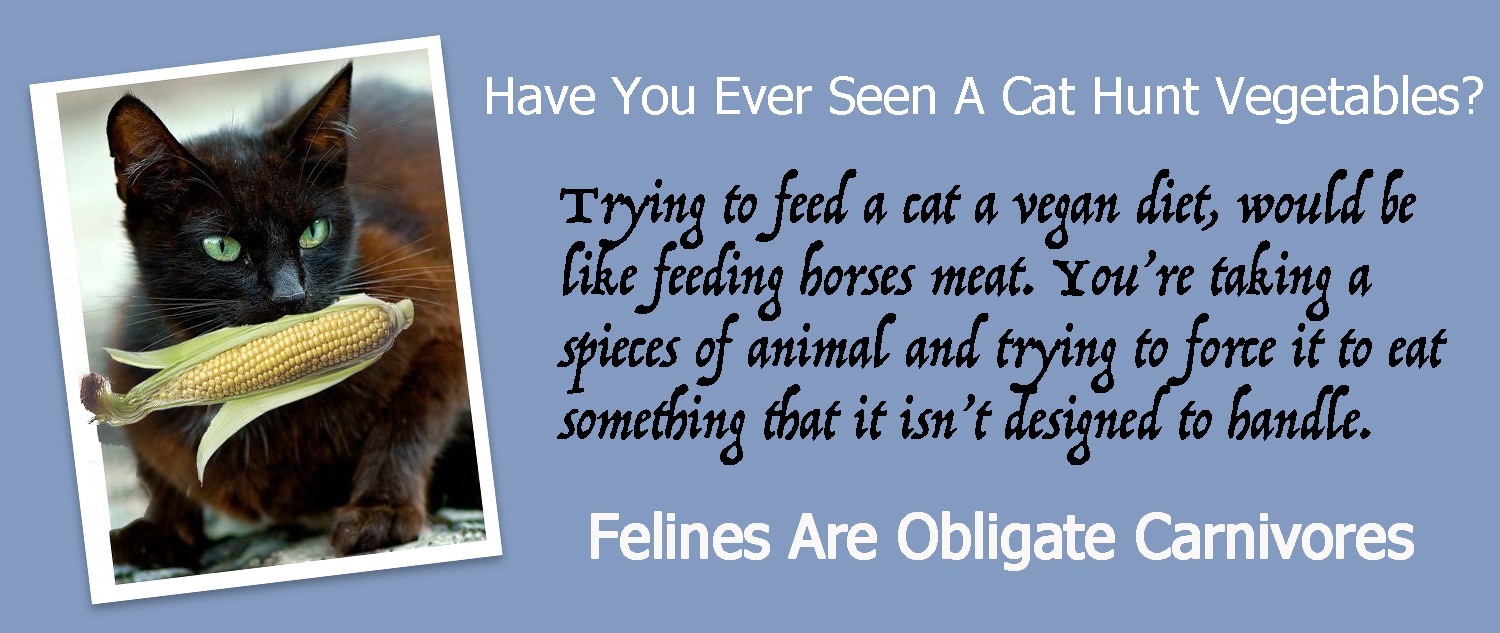
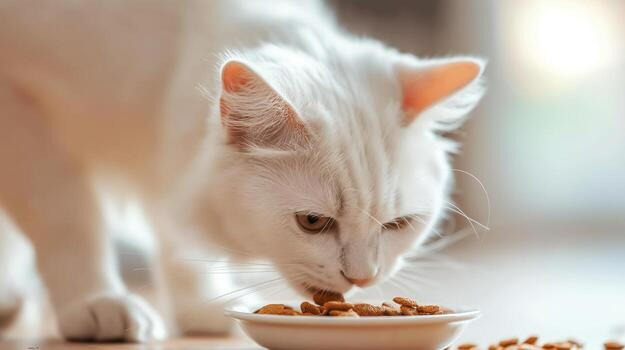
Cats who exclusively eat dry food are addicted to carbohydrates. Most dry cat foods contain corn with lectins that directly stimulate fat production.
It’s no surprise that approximately 60% of pet cats are overweight, which will lead to various health conditions and a reduced lifespan.
The Natural Diet
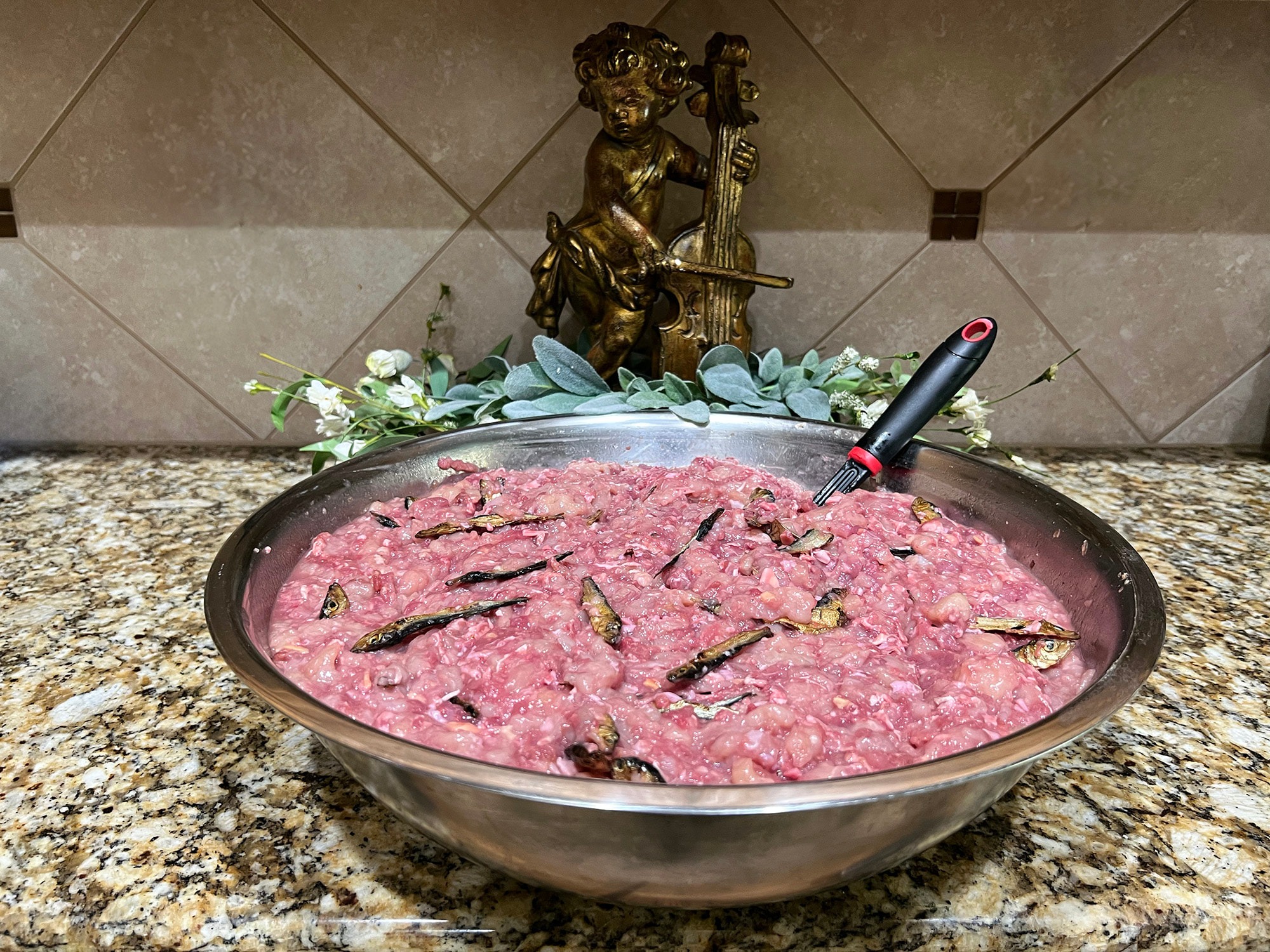
Cats are obligate carnivores whose bodies evolved specifically to process raw meat. Unlike humans and dogs who can digest both plant and animal proteins, cats possess only the digestive enzymes needed to properly break down and utilize animal proteins.
Unfortunately, the majority of commercial pet foods contain low-quality ingredients, are enhanced with artificial flavors and additives to increase palatability, and are high in fat. When selecting food for your feline companion, consider options that honor their biological requirements as meat-eating predators who eat lean prey.
Over recent decades, commercial pet foods have introduced diets that don’t align with cats’ natural nutritional needs. It’s worth noting that cats instinctively know when to fast for healing, and forcing them to eat can interfere with this natural process.
When feeding your feline companion, prioritize diets that honor their biological requirements:
- High-quality animal proteins
- Minimal carbohydrate content
- Essential taurine and other nutrients naturally found in meat
Remember that your cat’s digestive system, metabolism, and nutritional needs evolved for processing prey animals – not plant materials or highly processed foods.
Pet food regulations differ significantly from human food standards and are not regulated by the FDA!
While packaging may feature appealing designs and marketing claims, ALL commercial pet food is cooked and too high in fat for proper feline nutrition.
Common Mistakes in Raw Feeding
Not Enough Bone
Bone provides minerals in a form the body can actually use. These minerals support tissue structure, nerve function, and the health of every cell. Without enough bone in the diet, the body becomes mineral-depleted. This leads to weaker connective tissue, slower healing, and structural problems throughout the body over time.
Too Much Organ Meat
Organs are some of the most concentrated, nutrient-dense foods in existence, because they are the filtering and detoxifying tissues of the prey animal. That density makes them powerful but also easy to overfeed. Too much organ meat increases waste production, raises metabolic stress, and overloads the liver quickly. Organs are meant to be a small, rotating part of the diet, not a daily staple.
Adding Vegetables or Plant Matter
Cats are obligate carnivores, meaning their digestive system is built exclusively for animal-based food. When plant matter enters a cat’s digestive tract, it does not digest cleanly. It ferments, producing acids, alcohols, ammonia, and other waste byproducts. These byproducts damage the intestinal lining and increase toxicity throughout the body.
Excess Fat
Cats need much less fat than most raw recipes include. When cats eat too much fat, their liver and digestive system become overloaded as they try to process it. Excess fat also interferes with how cells use oxygen, creating ongoing irritation throughout the body. Over time, this slows the body’s ability to heal and opens the door to disease.
Overfeeding
Even the right food becomes a problem when there is too much of it. Overfeeding keeps the body locked in a constant state of digestion, which means it never gets the chance to shift into repair mode. Waste builds up faster than it can be eliminated, and the body stays burdened rather than balanced.
Adding Supplements (including herbs)
Supplements are concentrated, isolated substances, not real food. The body does not treat them the way it treats food. Instead of building health, they create extra work for the liver and kidneys, which have to process and eliminate them. Supplements never actually improve health; they add chemical burden and interfere with the body’s own natural systems.
Use of Completers
Completers are synthetic products designed to supplement recipes lacking key nutrients. The problem is that they use inorganic, lab-made minerals and additives that the body cannot properly absorb or use.
Instead of filling nutritional gaps, they create a new problem: the body has to work to eliminate what it cannot use, adding to the toxic load rather than reducing it.
The Missing Piece: Fasting
Getting the food right is only half of the natural diet. Fasting is the other half.
In the wild, cats do not eat on a fixed schedule. They experience cycles of eating and not eating, feast and famine. This is not deprivation. It is how their biology is designed to work.
Fasting is the body’s primary tool for repair. When digestion stops, the body shifts its energy toward breaking down damaged tissue, clearing out accumulated waste, and restoring internal balance. Food cannot do this. Only rest from food can.
Without fasting, waste builds up faster than the body can clear it, even on a perfect diet.
In a healthy feeding routine, regular fasting days are built in to prevent short-term waste accumulation. When the body is carrying a heavier burden, longer fasting periods may be needed to allow deeper repair.
It is also important to understand what reduced appetite means. When a cat does not want to eat, that is not suffering. It is a biological signal to fast.
Forcing food, artificially stimulating appetite, or adding something to make the cat eat works directly against what the body is trying to do and diverts energy away from the repair process the body has already started.
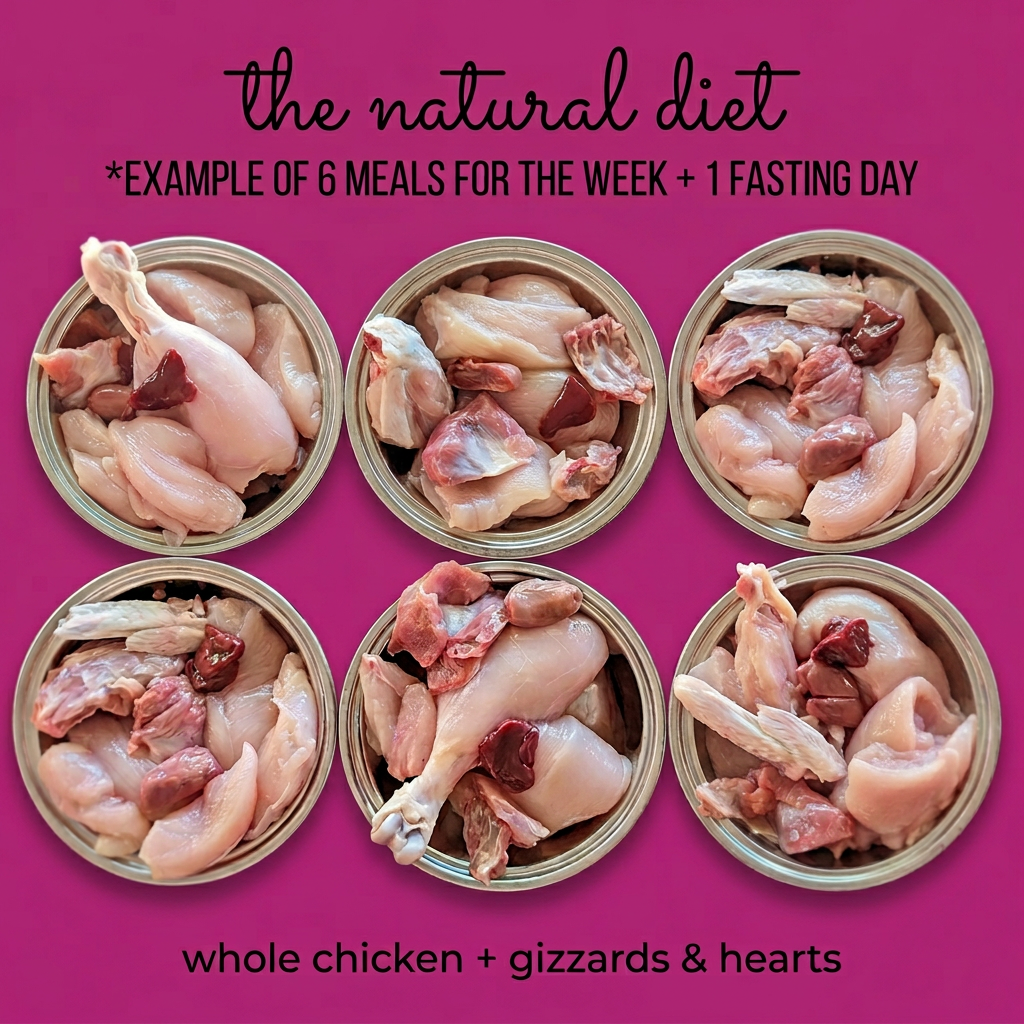
A Kitty's Purrsuit of Happiness provides our rescue kitties with a 100% natural, obligate-carnivore diet. We strongly encourage this for optimal feline health!
Why We Feed The Natural Diet
Cats are experiencing alarming rates of health issues, including vision loss, kidney disease, heart disease, and muscle wasting. Many cats are living shorter lives with more chronic health problems than ever before. This concerning trend isn’t a natural progression but rather a direct result of what we feed our cats and kittens.
We have the opportunity to choose health or disease for the cats in our care simply by selecting the appropriate fuel for their unique anatomy and physiology. This is why we feed our cats in alignment with nature to help them achieve the pristine health that is their birthright.
The natural cat diet is based on what a wild feline would eat according to their biological design. Feeding cats in alignment with their true nature creates the conditions for a long, healthy life and can help prevent, and even reverse, many disease conditions.
* Consultations on the natural feline diet or help with navigating diet change are available.
Harmful for Cats
No Corn
(Maze) and its derivatives (including corn syrup) are extremely problematic ingredients in cat foods. As obligate carnivores, cats’ digestive systems are primarily designed to process animal proteins rather than plant-based ingredients. If you still choose to feed your cat(s) commercial cat food:
- Check the ingredient list carefully—the first ingredient should ideally be a high-quality animal protein (turkey, chicken, quail, beef, venison, or rabbit)
- Be aware that diets high in plant proteins will contribute to digestive issues
- High-carbohydrate ingredients impact blood sugar regulation
When warming kitten formula or pet food to body temperature, it’s important to use gentle heating methods:
- Instead of microwaving, heat water on the stovetop and place the food container in this warm water bath
- This method ensures even warming without creating dangerous hot spots that could burn your pet's sensitive mouth and tongue
- Similar to warming a baby bottle, this technique preserves the nutritional integrity of the food
- Using a warm water bath allows you to better control the temperature and test it before feeding
For optimal safety, always check the temperature of warmed formula or food on your wrist before feeding it to your pet, ensuring it’s comfortably warm but not hot.
NEVER Microwave pet food
No Dairy Products
No species in nature continues to consume milk after weaning. It is a food designed exclusively for infants, its composition uniquely tailored to the nutritional demands of each species’ young.
For adults across all animal species, consuming milk, whether from their own kind or another, is associated with a range of adverse health consequences.
Kittens lack sufficient lactase, the enzyme needed to digest lactose, making cow’s milk a guaranteed recipe for diarrhea, stomach cramping, and dangerous dehydration. In a kitten small enough to fit in your palm, dehydration can become fatal very quickly.
A kitten fed cow’s milk may appear to be eating, but is nutritionally starving.
Cats obtain essential nutrients from animal tissues that have transformed inorganic minerals into bioavailable organic forms.
Whole, unprocessed foods provide optimal nutrition for the body’s needs.
In contrast, isolated nutrient components such as supplements or extracted oils can stress biological systems, potentially hindering digestion and natural healing mechanisms.
No Dietary Supplements
Recommended Dishes
It is best to use shallow, stainless steel or glass dishes to feed and hydrate your cat. These non-porous surfaces prevent bacteria growth that can occur on other materials. The shallow design is important because it prevents your cat’s whiskers from touching the sides of the bowl during eating or drinking.
A cat’s whiskers are an essential sensory mechanism, and contact with bowl sides can cause sensory overload and discomfort for your pet. This condition is sometimes called “whisker fatigue.”
Proper bowl maintenance is equally important:
- Wash water bowls daily with soap and water (don't just rinse)
- Provide fresh water daily
- Consider using distilled water, as it doesn't contain minerals that may burden your cat's kidneys
If a cat’s whiskers become damaged, it causes discomfort, confusion, and disorientation, among other negative side effects. Like human fingerprints, every cat’s whisker pattern is unique.
The nerves at the base of the whiskers are remarkably sensitive, capable of detecting even slight air movements that cause the whiskers to vibrate. This sensitivity allows cats to detect air flowing around furniture indoors, helping them identify objects even in complete darkness.
This sensory system is essential because cats are farsighted and have difficulty seeing objects clearly up close. Blind cats rely almost exclusively on their whiskers to navigate their environment, which is why you should never hesitate to adopt a partially or completely blind cat. With their extraordinary whisker sensitivity, they can navigate their surroundings just fine.
Scoop the Litterbox Daily!
The Importance of Observation:
ALWAYS pay attention to what is happening in the litter box. Changes in urination patterns and stool characteristics can provide valuable insights into your cat’s health:
- Urination amount (too much or too little)
- Stool shape, consistency, and color
Understanding Digestive Issues:
Long, slimy material in stool often indicates mucus or mucoid plaques that build up in the digestive tract, particularly when cats consume commercial foods. This mucus serves to protect the delicate digestive tissues from potentially harmful substances in the food.
When the digestive system is no longer exposed to irritating ingredients, the body will eventually expel this accumulated mucus in the stool, which can cause:
- Initial constipation as the body works to eliminate the buildup
- Followed by diarrhea as the body flushes out the blockage with water
- Slightly looser stool immediately after the blockage clears
Managing Digestive Upsets:
- Consider fasting your cat for 24 hours while monitoring for continued loose stool
- Resume feeding only after 24 hours have passed without diarrhea
The Odor Factor:
A healthy litter box should have minimal odor. Strong smells often indicate dietary issues.
Commercial cat food kibble and canned foods contain indigestible ingredients that:
- Create fermentation in your cat's digestive system
- Result in larger, more odorous stools
- Indicate that food is not being properly utilized by your cat's body