
EMERGENCY Info
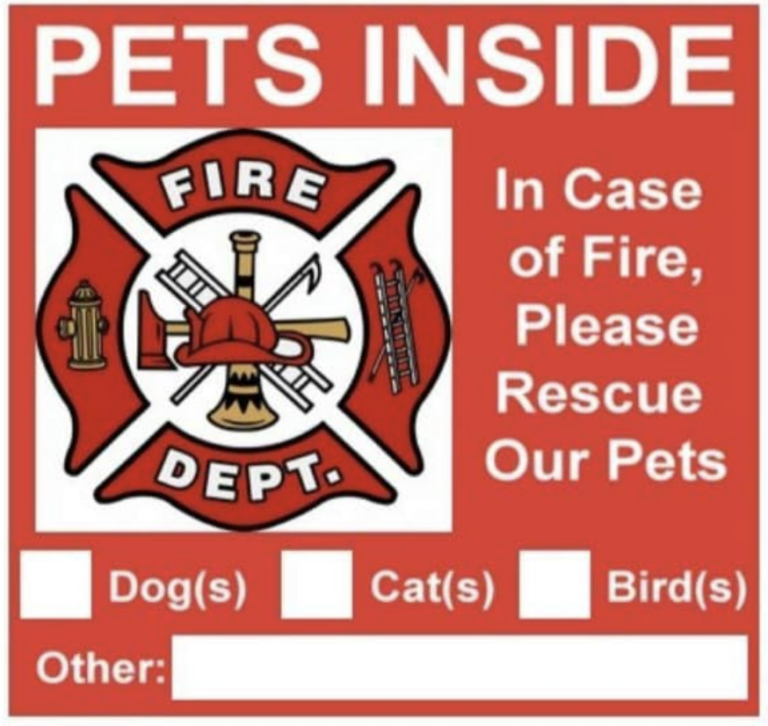
LIVE Pets Left Behind Evacuation Notice
NO PETS Left Behind Evacuation Notice
Small and Exotic Animals Emergency Check List
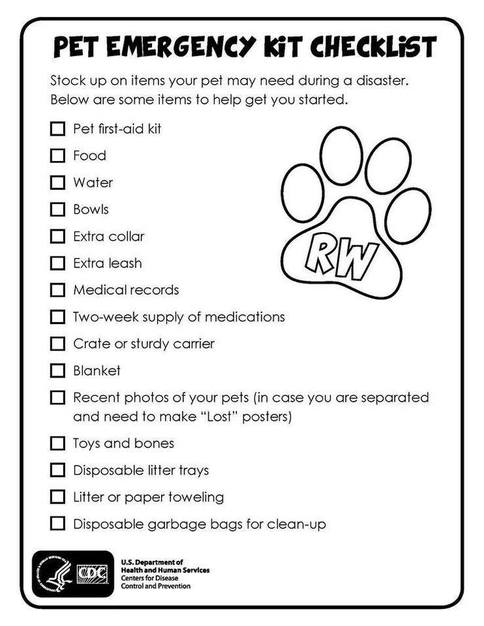
Pet Disaster Emergency Kit
Pet Boarding Instructions
Be Prepared for Any Disaster
Cats Attacked by Dogs
Poisonings & Toxins
(888) 426-4435
The Pet Poison Helpline 24/7 – Call 855-764-7661 $59 per incident USD applies:
List of Poisons & Search Bar
The American Society for the Prevention of Cruelty to Animals (ASPCA) offers additional information and resources 24/7
$65 USD per consultation applies:
Both the Pet Poison Helpline and ASPCA Poison Control are staffed with board-certified toxicologists and other specialists and are available 24/7/365. PPH has helped manage over 3 million cases since the service began more than 40 years ago, while ASPCA Poison Control has assisted its 5 millionth case since it started in 1978.
In general, any products that are harmful for people are also harmful for pets. Examples include cleaning products, rodent poisons and antifreeze. But you also need to be aware of common food items that may be harmful to your pet. The AVMA brochure Household Hazards offers a summary of what foods and common household items may pose a danger to your pet.
If your pet’s skin or eyes are exposed to a toxic product (such as many cleaning products), check the product label for the instructions for people exposed to the product; if the label instructs you to wash your hands with soap and water if you’re exposed, then wash your pet’s skin with soap and water (don’t get any into its eyes, mouth or nose). If the label tells you to flush the skin or eyes with water, do this for your pet as soon as possible (if you can do it safely), and call a veterinarian immediately.
If you know your pet has consumed something that may be harmful, or if the animal is having seizures, losing consciousness, is unconscious or is having difficulty breathing, telephone your veterinarian, emergency veterinary clinic or call the Poison Hotlines listed below:
If possible, have the following information available:
- Species, breed, age, sex, weight and number of animals involved
- Symptoms
- Name/description of the substance that is in question; the amount the animal was exposed to; and the length of time of the exposure (how long it’s been since your pet ate it or was exposed to it).
- Have the product container/packaging available for reference.
Collect any material your pet may have vomited or chewed, and place it in a plastic sealable bag to take with you when you bring your animal in for veterinary treatment.
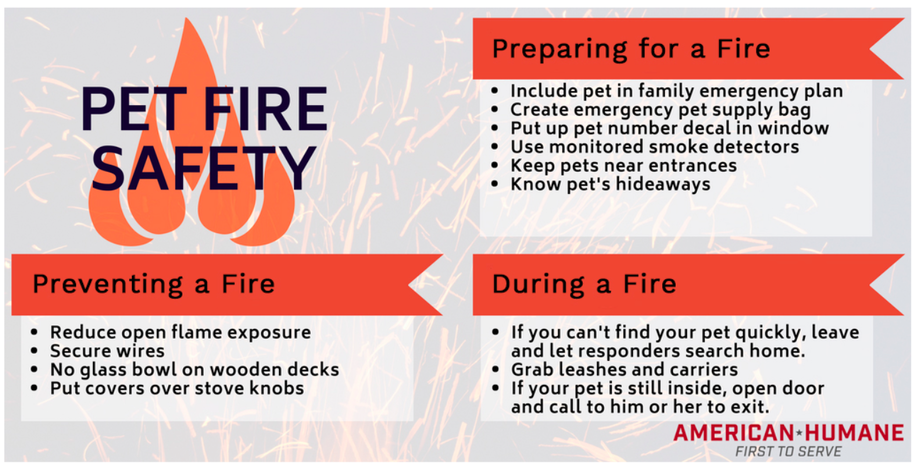
BASIC FIRST AID PROCEDURES FOR PETS
Pets experiencing any type of medical emergency should be seen by a licensed veterinarian immediately. Any first aid administered to your pet should be followed by immediate veterinary care. First aid care is not a substitute for veterinary care, but it may save your pet’s life until it receives veterinary treatment. Learning Pet specific CPR & Emergency care is highly recommended.
Seizures
Try to remember that a seizure normally lasts less than a minute. The best thing to do is put a blanket or towel over them so that they don’t thrash around and hurt themselves. They will not swallow their tongue, so stay away from the mouth and nails, even as they are coming back around. They are scared and will often bite at anyone.
- Keep your pet away from any objects (including furniture) that might hurt it. Do not try to restrain the pet.
- Time the seizure (they usually last 2-3 minutes).
- After the seizure has stopped, keep your pet as warm and quiet as possible and contact your veterinarian.
Fractures
- Muzzle your pet.
- Gently lay your pet on a flat surface for support.
- While transporting your injured pet to a veterinarian, use a stretcher (you can use a board or other firm surface as a stretcher, or use a throw rug or blanket as a sling). If possible, secure the pet to the stretcher (make sure you don’t put pressure on the injured area or the animal’s chest) for transport—this may be as simple as wrapping a blanket around them.
- You can attempt to set the fracture with a homemade splint, but remember that a badly-placed splint may cause more harm than good. If in doubt, it is always best to leave the bandaging and splinting to a veterinarian
Bleeding (external)
- Muzzle your pet.
- Press a clean, thick gauze pad over the wound, and keep pressure over the wound with your hand until the blood starts clotting. This will often take several minutes for the clot to be strong enough to stop the bleeding. Instead of checking it every few seconds to see if it has clotted, hold pressure on it for a minimum of 3 minutes and then check it.
- If bleeding is severe and on the legs, apply a tourniquet (using an elastic band or gauze) between the wound and the body, and apply a bandage and pressure over the wound. Loosen the tourniquet for 20 seconds every 15-20 minutes. Severe bleeding can quickly be life-threatening--get your animal to a veterinarian immediately if this occurs.
Bleeding (internal)
- Symptoms: bleeding from nose, mouth, rectum, coughing up blood, blood in urine, pale gums, collapse, weak and rapid pulse.
- Keep animal as warm and quiet as possible and transport immediately to a veterinarian.
Burns
Chemical
- Muzzle the animal.
- Flush burn immediately with large quantities of water and transport immediately to a veterinarian.
Severe
- Muzzle the animal.
- Quickly apply ice water compress to burned area transport immediately to a veterinarian.
Choking
- Symptoms: difficulty breathing, excessive pawing at the mouth, choking sounds when breathing or coughing, blue-tinged lips/tongue.
- Use caution – a choking pet is more likely to bite in its panic.
- If the pet can still breathe, keep it calm and get it to a veterinarian immediately.
- Look into the pet’s mouth to see if a foreign object is visible. If you see an object, gently try to remove it with pliers or tweezers, but be careful not to push the object further down the throat. Don’t spend a lot of time trying to remove it if it’s not easy to reach--don’t delay, and get your pet to a veterinarian immediately.
- If you can’t remove the object or your pet collapses, place both hands on the side of your pet’s rib cage and apply firm quick pressure, or lay your pet on its side and strike the rib cage firmly with the palm of your hand 3-4 times. The idea behind this is to sharply push air out of their lungs and push the object out from behind. Keep repeating this until the object is dislodged or until you arrive at the veterinarian’s office.
Heatstroke
- NEVER EVER leave your pet in the car on warm days. The temperature inside a car can rise very quickly to dangerous levels, even on milder days. Pets can succumb to heatstroke very easily and must be treated very quickly to give them the best chance of survival.
- If you cannot immediately get your pet to a veterinarian, move it to a shaded area and out of direct sunlight.
- Place a cool or cold, wet towel around its neck and head (do not cover your pet’s eyes, nose or mouth).
- Remove the towel, wring it out, and rewet it and rewrap it every few minutes as you cool the animal.
- Pour or use a hose to keep water running over the animal’s body (especially the abdomen and between the hind legs), and use your hands to massage its legs and sweep the water away as it absorbs the body heat.
- Transport the pet to a veterinarian as soon as possible.
PETS LEFT IN CARS ARE SUBJECTED TO THE FOLLOWING RADICAL TEMPERATURE CHANGES
72°F outside air – Inside car temp will rocket to 116 degrees within 60 minutes
85°F outside air – inside car temp in 10 minutes =102°F
Outside air temp 80°F
Starting inside car temp 80°F
Inside car temp 99°F
After 20 minutes
Inside car temp 109°F
After 30 minutes
Inside car temp 114°F
After 40 minutes
Inside car temp 118°F
After 50 minutes
Inside car temp 120°F
After 60 minutes
Inside car temp 123°F
Shock
- Symptoms: weak pulse, shallow breathing, nervousness, dazed eyes.
- Usually follows severe injury or extreme fright.
- Keep animal restrained, warm and quiet.
- If animal is unconscious, keep head level with rest of body.
- Transport the pet immediately to a veterinarian.
What To Do If Your Pet Is Not Breathing
- Stay calm
- If possible, have another person call the veterinarian while you help your pet.
- Check to see if your pet is unconscious.
- Open your pet’s airway by gently grasping its tongue and pulling it forward (out of the mouth) until it is flat. Check the animal’s throat to see if there are any foreign objects blocking the airway (see the section above on Choking)
- Perform rescue breathing by closing your pet’s mouth (hold it closed with your hand) and breathing with your mouth directly into its nose until you see the animal’s chest expand. Once the chest expands, continue the rescue breathing once every 4 or 5 seconds.
What To Do If Your Pet Has No Heartbeat
- Gently lay your pet on its right side on a firm surface. The heart is located in the lower half of the chest on the left side, just behind the elbow of the front left leg. Place one hand underneath the pet’s chest for support and place the other hand over the heart.
- For dogs, press down gently on your pet’s heart about one inch for medium-sized dogs; press harder for larger animals and with less force for smaller animals.
- To massage the hearts of cats and other tiny pets, cradle your hand around the animal’s chest so your thumb is on the left side of the chest and your fingers are on the right side of the chest, and compress the chest by squeezing it between your thumb and fingers.
- Press down 80-120 times per minute for larger animals and 100-150 times per minute for smaller ones.
- Don’t perform rescue breathing and chest compressions at the same exact time; alternate the chest compressions with the rescue breaths, or work as a team with another person so one person performs chest compressions for 4-5 seconds and stops long enough to allow the other person to give one rescue breath.
- Continue until you can hear a heartbeat and your pet is breathing regularly, or you have arrived at the veterinary clinic and they can take over the resuscitation attempts.
Please remember that your pet’s likelihood of surviving with resuscitation is very low. However, in an emergency it may give your pet his or her only chance.

Sources
– PetMd.com
– FEMA- CDC and otherwise listed per category
U.S. Coast Guard Mobile App for Humans
Click here to download this app to your mobile device and for more information – Features an Emergency Assistance button which with locations services enabled, will call the closest Coast Guard command center.
Asbestos Exposure Guide
Click here Asbestos and Natural Disasters Guide featured from The Mesothelioma Center.
When a natural disaster damages a home, it can disrupt asbestos that is present and harm whoever is near it. Click here for a guide about how different natural disasters can affect your home’s asbestos presence and the steps you should take if you suspect asbestos in your home.